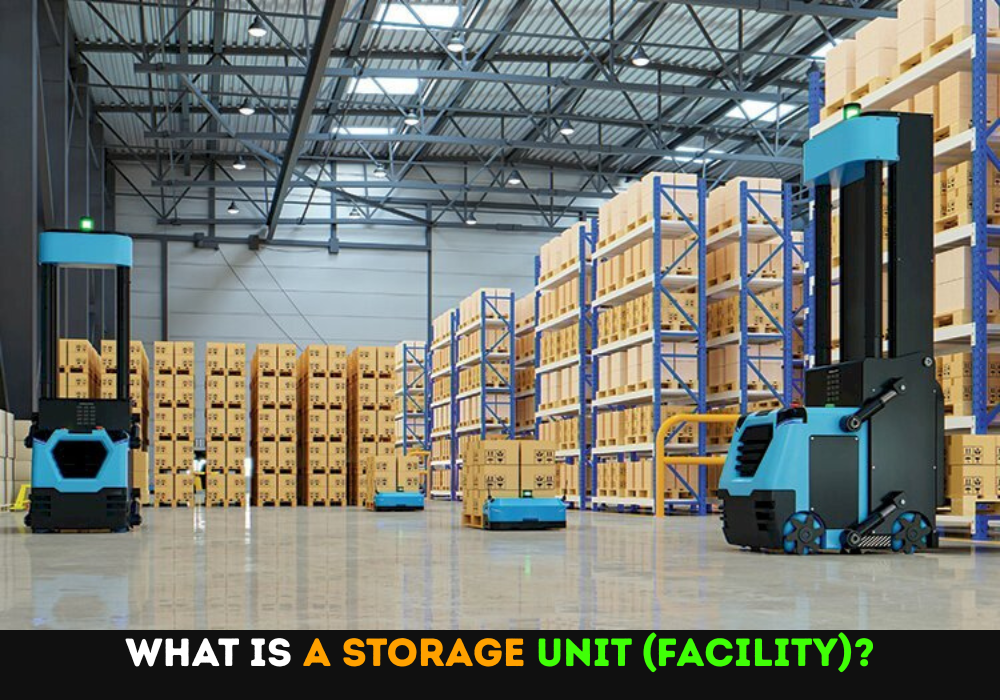
A storage unit is a secure, rentable space used to hold household belongings, business inventory, and vehicles during residential or commercial moves. These units range from small 10 sq ft lockers to large 200+ sq ft rooms, and UK facilities offer flexible rental terms from a single week to several years. Storage provides valuable support during moves by giving people temporary space when there is a gap between selling one property and completing on another. It also keeps items protected inside weather-resistant, alarmed facilities. Storing items early helps with decluttering, which improves home presentation and can boost sales value. Units are also useful for households downsizing into smaller properties, as well as businesses that need accessible space for inventory during relocations. Flexible short-term rentals mean customers can store items safely without rushing decisions. These benefits apply across the main storage types available in the UK, including portable and mobile containers delivered directly to homes, indoor units inside secure monitored buildings, outdoor or drive-up units with direct vehicle access, climate-controlled spaces for sensitive belongings, dedicated vehicle storage, and specialised units for items such as wine, archived documents, or pharmaceutical stock. Both residential and commercial customers use these options during moves, and the SSA UK 2025 Annual Industry Report shows that domestic customers account for around 73 percent of UK storage use, while businesses make up the remaining 27 percent. People commonly use storage during property chain delays, renovations, university breaks, and estate clearances, while businesses rely on it for excess or seasonal stock, office equipment during relocations, and securely stored records. Costs vary across the UK depending on size, location, and facility type. Small units of 25–50 sq ft typically cost between £50 and £150 per month, medium units of 75–100 sq ft range from £150 to £250, and large units of 150–200 sq ft usually cost between £250 and £400. Prices in Bristol fall within these ranges, with small units averaging £80 to £150 and medium units from £150 to £300 based on 2024 provider data. This guide covers each storage type in detail, explains how to choose the right unit size, lists the documents needed for renting in Bristol, highlights the best times to book, and outlines affordable options for residential and commercial moves.
What exactly is a storage unit?
A storage unit is a lockable, individually rented space within a storage facility that can hold personal belongings, household furniture, business inventory, or vehicles. Units range from compact 10 sq ft lockers to spacious 300+ sq ft rooms, typically with ceiling heights between seven and a half and eight feet, and they are found in purpose-built warehouses, converted industrial buildings, or outdoor container yards. Each unit features a roller shutter door and its own lock, and customers are the only people with the key or access code, while facilities add shared security measures such as CCTV, perimeter fencing, and controlled entry gates. Rental terms can last from a single week to several years, and customers can choose weekly, monthly, or annual payment cycles, often with discounted rates for those who pay upfront for long-term stays.
Is a storage unit the same as self-storage?
A storage unit refers to the physical space itself, while self-storage is the service model that allows customers to use that space independently. In a self-storage setup, customers load, organise, and retrieve their belongings without staff assistance and visit their unit whenever access hours permit. Managed storage works differently, as the provider collects items from the customer’s location, transports them to the facility, stores them securely, and returns specific items on request, removing the need for customers to visit the unit. Self-storage is ideal for people who need frequent access, while managed storage suits those who want maximum convenience and do not require regular in-person visits.
What are the key benefits of using a storage unit when moving house?
The key benefits of using a storage unit when moving house centre around creating more space, protecting your belongings, and keeping the moving process manageable from start to finish. These advantages help you stay organised, handle timing gaps, and reduce pressure during what is often a stressful transition.
- Temporary holding space gives you a secure place to keep belongings when move-out and move-in dates do not match, which is common in property chains.
- Belonging protection ensures your items remain safe inside CCTV-monitored, alarmed, and weather-resistant units throughout the moving period.
- Decluttering support allows you to remove bulky or non-essential items before viewings, improving home presentation and increasing buyer interest.
- Flexibility during delays provides overflow capacity when chain breaks, renovation issues, or legal complications extend your moving timeline.
- Cost savings come from avoiding rushed disposal decisions and last-minute removal service changes, giving you more time to organise your belongings.
- Stress reduction occurs naturally when non-essential items are stored in advance, allowing you to pack in stages instead of rushing everything at once.
These key benefits make storage units a reliable and practical solution for moves of any size, whether you are downsizing, upsizing, or managing a complex property chain.
What types of storage units are available?
The types of storage units available in the UK cover a wide range of needs, ensuring there is a suitable option for household moves, business use, vehicles, and specialist items. There are six main types of storage units commonly offered across UK facilities.
- Portable and mobile storage delivers a container directly to your home for convenient on-site loading before the provider transports it to a secure location.
- Indoor self-storage units offer clean, dry rooms inside secure warehouse buildings, accessed by PIN codes, lifts, and monitored entry points.
- Outdoor and drive-up units provide ground-level access with roller doors, allowing you to park beside the unit for easy loading of heavy or bulky items.
- Climate-controlled units maintain stable temperature and humidity levels, ideal for storing delicate items such as artwork, electronics, wooden furniture and leather goods.
- Vehicle and trailer storage secures cars, motorcycles, caravans, boats and trailers within gated, CCTV-monitored compounds.
- Specialty storage solutions support specific requirements such as wine storage, fire-protected document archiving, and compliant pharmaceutical or medical inventory storage.
These six types of storage units give customers a wide choice, allowing both residential and commercial users to select the most suitable option based on access needs, item sensitivity, and budget.
1. Portable and Mobile Storage Solutions
Portable and mobile storage solutions offer a container-based service where a storage unit is delivered directly to your property for convenient on-site loading. Once packed, the container is transported either to a secure storage facility or directly to your new address, eliminating the need for double handling. This storage type is ideal for house moves, renovation projects, and business relocations because loading at the property saves time, reduces physical effort, and removes the need for multiple trips to a storage site. Keeping belongings in a single container throughout the move also reduces the risk of misplacement and keeps the process organised. This option works well for homeowners with driveway space, businesses moving office contents, and customers who prefer to pack gradually rather than all at once. Portable units typically hold furniture, appliances, boxed items, and garden equipment, while hazardous materials, perishables, and high-value or climate-sensitive items are not accepted. Costs vary depending on container size, delivery distance, and rental duration, so most customers request personalised quotes from providers.
2. Indoor Self-Storage Units
Indoor self-storage units provide a room-based service where customers rent secure, lockable spaces within warehouse-style buildings accessed through corridors, lifts, and PIN-controlled entry systems. This type of storage supports house moves, long-term personal storage, and business inventory management, especially when weather protection and high security are priorities. Indoor facilities offer a stable indoor environment, reduced dust exposure, and layered security measures including CCTV, alarms, controlled entry points, and staffed reception areas. This option suits customers storing furniture, electronics, documents, and other items that benefit from being kept away from temperature fluctuations and outdoor elements. Indoor storage is commonly used for household contents, office equipment, retail stock, and archived business records, while flammable items, perishables, and live plants are not permitted. Monthly costs usually range from £70 to £300 depending on unit size, which typically spans 20 to 150 sq ft, and the facility’s location.
3. Outdoor and Drive-Up Storage Units
Outdoor and drive-up storage units offer ground-level access where customers can load and unload belongings directly from their vehicle through an individual roller shutter door. This type of storage is well suited to furniture storage, business stock rotation, and situations where fast, convenient access is essential. Drive-up units remove the need to carry items through corridors or lifts, making them particularly efficient for heavy, bulky, or frequently accessed goods. They work especially well for customers with large furniture, tradespeople storing tools and materials, and businesses that require regular stock handling. These units typically hold furniture, appliances, building materials, and commercial equipment, while items sensitive to temperature or humidity are less suitable due to outdoor exposure. Costs generally range from £60 to £200 per month depending on unit size, and they are often more cost-effective per square foot than indoor units.
4. Climate-Controlled Storage Units
Climate-controlled storage units provide temperature and humidity regulation to maintain stable conditions, typically between 10 and 18°C and around 50–55 percent humidity throughout the year. This type of storage is ideal for long-term preservation of sensitive items where environmental stability is essential to prevent deterioration. Climate control helps protect against warping, cracking, mould, and moisture damage that can affect wood, leather, paper, electronics, and other delicate materials over time. These units are well suited to antiques, artwork, musical instruments, wine collections, leather furniture, and important documents. They commonly store wooden furniture, electronics, photographs, vinyl records, and pharmaceutical products, although the added cost is rarely necessary for durable items such as metal tools or plastic storage containers. Climate-controlled units typically cost 10 to 20 percent more than standard units, with monthly prices ranging from about £85 to £360 depending on unit size and location.
5. Vehicle and Trailer Storage
Vehicle and trailer storage is a dedicated parking service where cars, motorcycles, caravans, motorhomes, boats, and trailers are kept within secure compounds equipped with CCTV monitoring, perimeter fencing, and gated access controls. This type of storage supports seasonal protection, classic vehicle preservation, and long-term parking for owners who do not have driveway or garage space at home. Storing vehicles in a secure compound helps prevent weather damage, reduces the risk of theft, and can maintain insurance compliance, especially at CaSSOA-accredited facilities. This option is ideal for caravan owners between touring seasons, classic car collectors, boat owners during winter storage periods, and households with more vehicles than their property can accommodate. Vehicle storage can hold road-legal or SORN vehicles, trailers, and watercraft, although vehicles leaking fluids or containing excessive fuel levels are not accepted. Costs typically range from £30 to £100 per month for outdoor parking and £80 to £140 per month for covered or indoor bays, depending on the size of the vehicle and the location of the facility.
6. Specialty Storage Solutions
Specialty storage solutions are purpose-built services designed to meet specific environmental, security, or regulatory requirements for items that need controlled preservation beyond what standard self-storage can offer. This type of storage supports wine collectors, businesses managing archived documents, pharmaceutical suppliers, and owners of high-value possessions that require enhanced protection. Specialty facilities provide precise temperature and humidity control, fire suppression systems, restricted access, and audit-ready security records, offering levels of preservation not available in typical storage units. This option suits wine investors who require bonded or cellar-grade conditions, solicitors and accountants archiving confidential client files, medical suppliers storing temperature-sensitive products, and art collectors looking to protect valuable pieces. Specialty units store wine collections, legal and financial documents, pharmaceuticals, artwork, and antiques, while everyday household items generally do not warrant the premium cost. Pricing varies widely by service type, with wine storage typically costing £7.50 to £15 per case annually and document archiving starting from around 45p per box per month.
Can storage units be used for residential purposes?
Yes, storage units can be used for residential purposes, and they play a major role in supporting everyday household needs. Residential customers commonly use storage during house moves, decluttering projects, home renovations, inheritance or estate clearances, student term breaks, and downsizing into smaller properties. According to industry data, domestic users occupy around 73 percent of all UK storage space, and approximately 40 percent of these customers store belongings specifically during property moves. Storage units give homeowners secure, flexible, and temporary space that helps simplify transitions, protect valuables, and keep homes organised during periods of change.
Can storage units be used for commercial purposes?
Yes, storage units can be used for commercial purposes, and they provide businesses with adaptable space that supports day-to-day operations as well as major transitions. Companies use storage for inventory management, seasonal stock overflow, secure document archiving, equipment and tool storage, and temporary space during office relocations or refurbishment projects. Business customers account for about 27 percent of UK storage use, and many small and medium-sized enterprises choose self-storage as a cost-effective, flexible alternative to committing to long-term warehouse leases. This makes commercial storage a practical solution for growing businesses, online retailers, tradespeople, and organisations needing secure, scalable space.
How do I choose the correct storage unit size for my belongings?
To choose the correct storage unit size for your belongings, start by assessing what you need to store, calculate the total space required, and consider how items will be arranged once inside the unit. Taking time to measure, plan, and estimate ensures you rent a unit that is both cost-effective and practical for your needs.
- Inventory your belongings by listing items room by room, counting boxes, and identifying large pieces such as sofas, beds, wardrobes, appliances, and outdoor equipment.
- Measure large items by recording their length, width, and height, then calculate the cubic volume to understand how much space bulky furniture will occupy.
- Match belongings to common unit sizes using standard UK guidelines.
- 25 sq ft (similar to a small garden shed) fits most studio flat contents.
- 50 sq ft (similar to a transit van) suits a typical 1-bed flat.
- 75 sq ft (similar to a Luton van) works for a 1–2 bed house.
- 100 sq ft (similar to a single garage) fits 2–3 bed house contents.
- 150 sq ft suits most 3-bed homes.
- 200 sq ft (similar to a double garage) fits 4+ bed house contents.
- Plan vertical stacking by placing heavy items at the bottom, stacking boxes safely up to ceiling height, and leaving a walkway if you need regular access.
- Consider access frequency by positioning frequently used items near the door and placing seasonal or archive items toward the back.
- Allow 10–15% extra space to make moving around easier, accommodate future items, and maintain airflow around belongings.
Most UK customers rent units between 50 and 100 sq ft, with 75 sq ft being the most popular choice for house moves and renovation projects.
What is the typical cost of renting a storage unit?
The typical cost of renting a storage unit in the UK varies widely based on unit size, facility location, and whether the unit offers climate control. Monthly prices generally range from £70 to £500, with small units costing less and large units in major cities costing significantly more.
- Small units (25–50 sq ft) usually cost £70–£150 per month.
- Medium units (75–100 sq ft) typically cost £150–£300 per month.
- Large units (150–200 sq ft) range from £250–£500 per month.
Facilities in London and city centres charge higher rates than rural or suburban locations, and climate-controlled units are usually 10–20 percent more expensive due to additional environmental systems.
Do I need to provide documents to rent a storage unit in Bristol?
Yes, you need to provide documents to rent a storage unit in Bristol, and most facilities require two forms of identification to verify your identity and confirm your address. This helps providers meet their security, insurance, and operational obligations.
- Photographic ID must be provided, such as a valid UK passport, UK photocard driving licence, or biometric residence permit. These documents confirm who is renting the unit and prevent unauthorized access.
- Proof of address must also be supplied, such as a recent utility bill, bank statement, or council tax bill dated within the last three months. These documents confirm residency and ensure accurate customer records.
Most providers do not accept mobile phone bills or credit card statements as proof of address, so customers should prepare accepted documents before booking a unit.
When is the Best Time to Rent a Storage Unit?
The best time to rent a storage unit is during the winter months, particularly from October to February, when demand is at its lowest and rental prices typically fall by around 8 percent compared to the peak season. Facilities often introduce promotional discounts, reduced minimum terms, and free move-in offers during this slower period, making winter the most cost-effective time to secure storage. Summer brings the highest prices due to house moves, university relocations, and increased demand, while autumn generally offers more competitive rates as facilities adjust pricing after the busy season. Spring usually sees a rise in enquiries as people begin decluttering and preparing for moves, often leading to gradual price increases. Booking in late winter is therefore the most reliable way to secure a lower rate before spring and summer demand pushes prices back up.
Which company provides affordable or budget-friendly storage units in Bristol?
We at MO Transport provide affordable and budget-friendly storage units in Bristol, offering competitive pricing, secure CCTV-monitored facilities, flexible rental terms, and a range of unit sizes suitable for both residential and commercial customers. Our goal is to make storage accessible and cost-effective for anyone needing reliable space during a move, renovation, business transition, or long-term storage requirement.
What is the process for renting a storage unit through MO Transport?
The process of booking a storage unit through MO Transport involves six clear steps from the initial enquiry through to move-in.
- Contact our team: Call us or complete our online enquiry form with your storage volume, duration, and preferred move-in date.
- Receive your quote: We assess your requirements and provide a tailored quote, recommended unit size, and available start dates.
- Select your unit: Choose the most suitable unit size, confirm your start date, and review the rental terms with our team.
- Complete documentation: Provide valid photographic ID and proof of address, then sign the rental agreement.
- Arrange payment: Pay your initial rental period and deposit using card payment or standing order.
- Access your unit: We issue your access code or key, and you can begin using your storage unit immediately.
Our team supports you throughout the entire booking process to ensure a smooth, straightforward experience.
Does MO Transport offer storage units for commercial storage needs?
Yes, we offer storage units for commercial storage needs, providing secure space for business inventory, excess stock, office furniture, equipment, trade tools, and archived documents. Our units include CCTV protection, gated access, flexible rental terms, and scalable sizes that suit retailers, tradespeople, office-based businesses, and growing companies needing flexible storage without long-term warehouse commitments.
Does MO Transport offer storage units for residential or personal storage needs?
Yes, we offer storage units for residential and personal storage needs, supporting customers during house moves, renovations, decluttering projects, student term breaks, and long-term belongings preservation. Our units provide secure access, flexible monthly rental terms, and no long-term commitment, making them ideal for homeowners, families, students, and individuals who need reliable and affordable personal storage.