
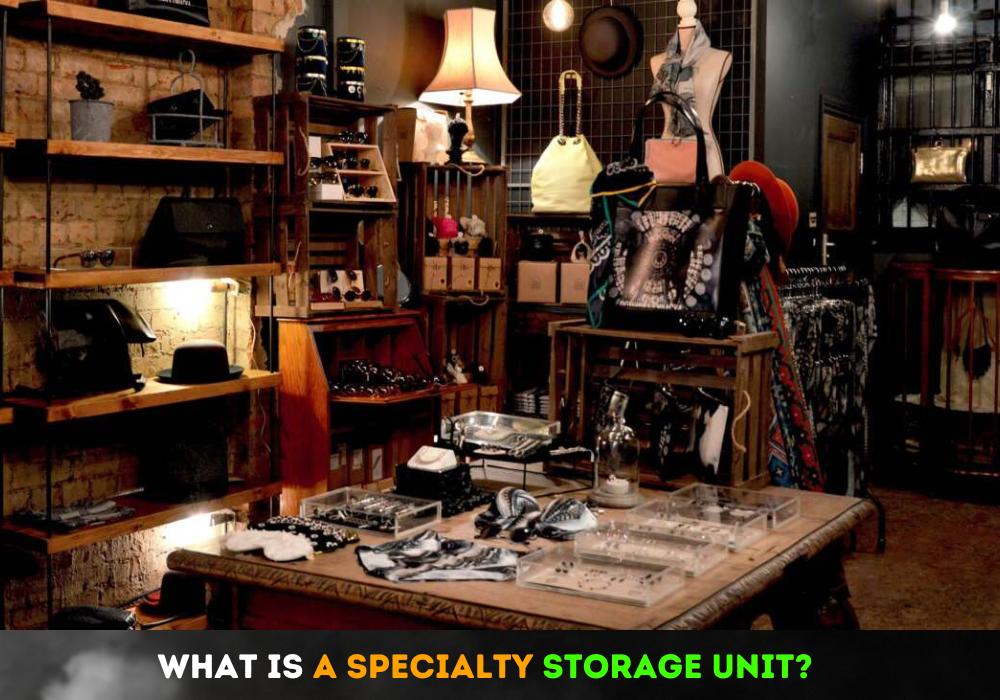
A specialty storage unit is a controlled storage environment engineered to preserve expensive and luxury assets through regulated climate conditions, advanced security systems, and specialized infrastructure, which directly addresses the degradation, depreciation, and compliance risks associated with standard storage. This storage model is primarily used by collectors, businesses, and estate managers because each group manages assets whose value depends on physical condition, regulatory alignment, and long-term stability; collectors preserve art, wine, jewelry, and classic vehicles, businesses safeguard regulated inventory, sensitive equipment, and critical documents, and estate managers secure assets during valuation or ownership transition. The importance of specialty storage derives from measurable outcomes: climate stability reduces material decay, layered security lowers loss probability, and compliance-grade environments support insurance eligibility and regulatory requirements, which together preserve asset integrity and slow value erosion. Selecting the appropriate unit depends on aligning asset sensitivity with environmental tolerance, access frequency, security depth, and scalability capacity, because misalignment increases financial exposure. Costs reflect infrastructure complexity rather than space alone and typically range from two to five times standard storage pricing due to continuous monitoring, environmental control systems, and integrated risk mitigation. In effect, specialty storage units operate as asset-preservation systems that align storage conditions with asset risk profiles, ensuring long-term value retention and controlled asset management for both collectors and businesses.
What exactly is a specialty storage unit?
A specialty storage unit is a controlled storage environment designed to maintain precise physical and security conditions required by high-value, sensitive, or regulated assets. It integrates regulated temperature ranges, controlled humidity levels, reinforced construction, and monitored access systems. These components work together to prevent physical degradation, environmental damage, and unauthorized handling. Unlike general storage, its design focuses on preservation requirements rather than space availability, which positions it as a condition-managed environment for asset protection.
What is the primary purpose of a specialty storage unit?
The primary purpose of a specialty storage unit is to preserve asset integrity, value, and compliance by aligning storage conditions with asset-specific risk factors. Stable climate conditions reduce material decay. Advanced security lowers loss probability. Compliance-aligned infrastructure supports insurance and regulatory requirements. These functions combine to slow depreciation, extend usable lifespan, and reduce financial exposure for assets whose condition directly determines value.
How does a specialty storage unit differ from a standard storage unit?
A specialty storage unit differs from a standard storage unit by managing preservation conditions instead of offering basic containment. Standard storage units provide enclosed space with minimal climate regulation and limited security, which exposes stored items to temperature fluctuation, humidity variation, and generalized access. Specialty storage units regulate temperature and humidity within narrow ranges, apply reinforced construction, restrict access through layered security systems, and support insurance or regulatory requirements. This structural and functional difference shifts storage from short-term holding to long-term preservation, which directly affects asset condition, depreciation rate, and risk exposure.
Who typically uses specialty storage units?
Specialty storage units are typically used by collectors needing secure, climate-controlled environments for valuables like art, wine, or classic cars, and businesses requiring specialized facilities for sensitive inventory, documents, or equipment.
- Collectors: Collectors use specialty storage units to preserve assets whose market value depends on physical condition and environmental stability. Controlled temperature, regulated humidity, and restricted access protect collectibles from degradation, theft, and value loss.
- Businesses: Businesses use specialty storage units to store regulated goods, sensitive equipment, and critical records. These environments support compliance, reduce operational risk, and maintain asset usability over extended storage periods.
- Estate Managers: Estate managers use specialty storage units to secure assets during transition phases such as valuation, inheritance, or liquidation. Preservation during these periods prevents condition-related value erosion.
Overall, specialty storage units serve users whose assets require condition control, elevated security, and risk-aligned storage rather than basic space availability.
What benefits do specialty storage units offer to collectors and businesses?
Specialty storage units offer collectors and businesses value-preservation benefits by aligning storage conditions with asset-specific risk factors. These benefits emerge because high-value assets lose condition, compliance, or market value when exposed to uncontrolled environments, security gaps, or external contamination.
- Preservation and Protection: Preservation occurs through stable environmental parameters that slow material degradation, chemical reactions, and structural fatigue, which directly sustains asset condition and resale value.
- Enhanced Security: Enhanced security reduces loss probability by combining controlled access, surveillance systems, and reinforced construction, which limits theft and unauthorized handling.
- Insurance Compliance: Insurance compliance improves because documented climate control and security standards meet insurer requirements, which supports coverage eligibility and lowers claim disputes.
- Climate Control; Climate control maintains defined temperature and humidity ranges, which prevents mold growth, corrosion, warping, and internal component failure in sensitive items.
- Protection from Pests and Elements: Protection from pests and environmental exposure prevents contamination, physical damage, and irreversible deterioration caused by insects, rodents, moisture, and airborne particles.
Collectively, these benefits stabilize asset condition, reduce financial risk, and extend usable lifespan for both collectors and businesses.
What risks or limitations should be considered when selecting a specialty storage unit?
The main risks and limitations of specialty storage units relate to cost exposure, system reliance, and alignment between asset needs and storage capabilities. These factors matter because preservation-grade environments introduce operational dependencies alongside their benefits.
- Higher Cost Structure: Higher costs result from specialized climate systems, security infrastructure, and monitoring requirements, which increase long-term storage expenditure.
- System Dependency Risk: System dependency creates vulnerability because climate or power failures can cause accelerated damage if monitoring or response systems fail.
- Restricted Accessibility: Restricted accessibility can delay retrieval when facilities enforce controlled access protocols or limited entry schedules.
- Specification Mismatch: Specification mismatch occurs when storage capabilities exceed or misalign with asset requirements, which increases cost without proportional preservation benefit.
- Geographic Limitations: Geographic limitations increase transport handling and exposure risk when suitable specialty facilities are located far from the asset owner.
Effective selection requires balancing preservation benefits against cost, reliability, accessibility, and operational fit to avoid unnecessary financial or condition-related risk.
What types of items are best suited for storage in a specialty storage unit?
Items best suited for specialty storage units are assets whose value, usability, or compliance status depends on stable environmental and security conditions. These assets share a common risk profile: exposure to uncontrolled temperature, humidity, access, or contaminants causes measurable degradation or financial loss.
- Fine Art and High-Value Collectibles: Fine art, antiques, and rare collectibles require controlled temperature and humidity to prevent cracking, fading, oxidation, and material fatigue.
- Wine and Premium Spirits: Wine and spirits require narrow climate ranges to preserve chemical balance, cork integrity, and long-term aging characteristics.
- Luxury, Vintage, and Classic Vehicles: Luxury and classic vehicles require climate stability and air quality control to prevent corrosion, mechanical deterioration, and interior damage.
- Sensitive Documents and Archival Media: Legal records, historical documents, and archival media require moisture control and contamination protection to maintain legibility, integrity, and compliance.
- Regulated or Precision Business Assets: Pharmaceuticals, medical devices, electronics, and precision instruments require controlled environments to meet regulatory, warranty, and performance standards.
In effect, specialty storage units suit assets where environmental instability or access risk directly reduces condition, compliance, or market value.
How do I determine the most appropriate specialty storage unit for my needs?
The most appropriate specialty storage unit is identified by matching asset-specific risk exposure with storage capabilities that directly neutralize those risks. This alignment prevents overpaying for unnecessary features while avoiding underprotection.
- Identify Asset Sensitivity Parameters: Identify temperature tolerance, humidity limits, light exposure sensitivity, and contamination risk for each asset category.
- Define Required Security Depth: Define access control, surveillance, and physical protection levels based on asset value, theft probability, and liability exposure.
- Verify Environmental Control Precision: Verify the facility’s ability to maintain consistent climate conditions within the asset’s acceptable tolerance range.
- Evaluate Access and Handling Requirements: Evaluate access frequency, retrieval speed, and handling procedures to prevent operational delays or condition damage.
- Align Cost With Risk Reduction Impact: Align storage cost with the financial impact of asset damage, loss, or non-compliance to ensure proportional investment.
Selection is correct when storage conditions, security controls, and cost structure directly correspond to the asset’s preservation and operational risk profile.
Do I need to review insurance coverage before choosing a specialty storage unit?
Yes, insurance coverage must be reviewed before choosing a specialty storage unit because coverage validity depends on verified storage conditions. Insurance policies for high-value assets specify acceptable temperature ranges, humidity thresholds, security controls, and monitoring documentation. Specialty storage units that meet and document these conditions maintain coverage eligibility. Units that fail to align with policy requirements increase claim denial risk, which directly transfers financial exposure to the asset owner.
How much does a specialty storage unit typically cost?
A specialty storage unit typically costs more than standard storage because pricing reflects preservation infrastructure rather than space alone. Market consensus shows costs averaging two to five times standard storage rates, driven by climate control systems, layered security, and continuous monitoring. Basic climate-controlled units often range from $150 to $300 per month, while specialized storage for art, wine, or vehicles commonly exceeds $500 to $1,000 per month, depending on tolerance precision, size, and location.
Can a specialty storage unit be customized or scaled as my storage needs change?
Yes, specialty storage units are commonly designed for customization and scalability because asset requirements change over time. Facilities offer modular unit sizing, adjustable climate parameters, and configurable access controls. This structure allows condition changes or capacity expansion without relocating assets, which reduces handling risk and preserves continuity in environmental control and security standards.